How to Maintain Your Composite Deck in Georgia's Climate
A well-built composite deck should look new for decades. Most problems homeowners run into come down to installation shortcuts or a maintenance routine that never got set up in the first place. Here's what actually makes the difference.
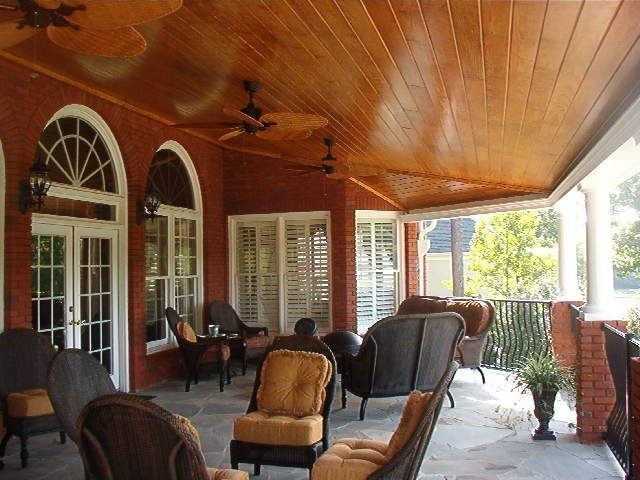
A properly installed Trex® or TimberTech® composite deck can hold up for 25-50 years under the manufacturer warranty. Most of the complaints we hear about composite decking trace back to installation decisions, not the material itself.
As a TrexPro® and TimberTech Pro® deck builder, we've built composite decks across Middle Georgia, Fayetteville, and Griffin for years. Here's exactly what separates a deck that ages well from one that fades, warps, or grows mildew too soon.
Why Georgia's Climate Is Especially Hard on Decking
Most of Georgia experiences a unique combination of weather challenges that put real stress on any deck, composite or wood:
- Extreme heat: Surface temperatures can reach 150°F+ in summer, causing boards to expand and contract
- High humidity: Moisture and poor airflow underneath a deck accelerate mold and mildew growth
- Heavy rains: Poor drainage and clogged gaps between boards trap water against the substructure
- Tree pollen and debris: Georgia's dense tree canopy means pollen film and organic debris build up fast
- UV exposure: Intense sun fades boards unevenly if they aren't installed with the right board orientation
Step 1: Proper Framing and Ventilation Matter Most
Most deck problems start below the boards. Composite decking needs proper joist spacing, correct fastening, and real airflow underneath to avoid trapped moisture. Before we install anything, we confirm the substructure is level, properly spaced to the manufacturer's spec, and ventilated so moisture doesn't sit against the frame.
If you're getting a new composite deck built, ask your contractor specifically about joist spacing and ventilation under the deck. The answer tells you everything about their quality standards.
Step 2: Clean It on a Regular Schedule
Composite decking never needs staining or sealing, but it does need regular cleaning to stay looking new. A simple soap-and-water wash removes the pollen film, dirt, and mildew spores before they set in.
Our recommended cleaning schedule for Georgia decks:
- Sweep or blow off debris weekly during pollen and leaf season
- Wash with mild soap and a soft-bristle brush every 3-4 months
- Deep clean with a composite-safe cleaner once a year, ideally in spring
Step 3: Keep the Gaps Between Boards Clear
The small gaps between composite boards are there for drainage and expansion. When they fill with leaves, pine straw, and dirt, water backs up and sits against the boards longer than it should. Clear the gaps with a putty knife or a dedicated deck-gap tool a couple times a year, especially after Georgia's fall leaf drop.
Step 4: Watch Drainage Underneath the Deck
Water pooling underneath a deck is the biggest long-term threat to the substructure. If you notice standing water after rain:
- Check that the ground underneath slopes away from the house
- Clear any blocked gutters or downspouts draining near the deck
- Add gravel or a drainage system underneath if standing water is a repeat problem
Step 5: Protect Against Stains
Composite decking resists staining far better than wood, but grease, tannins from leaves, and rust from metal furniture feet can still leave marks if left too long. Wipe up spills the same day, and use furniture pads under planters and grills.
Step 6: Know What's Covered Under Warranty
Both Trex and TimberTech back their composite boards with long manufacturer warranties covering fading, staining, and structural integrity when installed to spec. Keep your installation paperwork and product documentation, since most warranty claims start with proof of proper installation.
When It's Time to Call a Professional
Regular cleaning handles most maintenance, but a few signs mean it's worth having a deck builder take a look: boards that feel soft or spongy, visible sagging between joists, persistent mildew that won't clean off, or fasteners working loose.
If your deck is showing these signs, contact our deck team for a free assessment. We'll give you an honest answer on whether it's a simple fix or time to consider a rebuild.
The Bottom Line
A composite deck is a significant investment, and the beauty of the material is that it needs far less upkeep than wood. A few cleanings a year is really all it takes to keep it looking the way it did on installation day.
Questions about your existing deck, or planning a new composite deck build? Get in touch with our team. Consultations are always free.